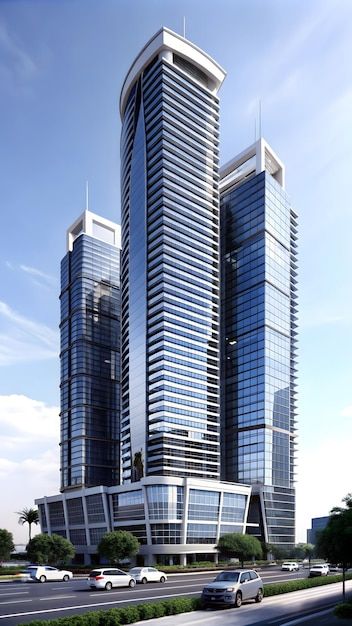
As urban populations swell and land becomes scarcer, high-rise construction is no longer optional—it’s inevitable. But vertical growth need not come at the cost of environmental responsibility. At S. V. Thakker & Associates, we believe sustainability in tall buildings begins not with technology, but with thoughtful design.
Passive Design: The First Line of Defense
Before a single solar panel is installed, we optimize orientation, fenestration, and massing to harness natural light and airflow. In projects like Stanrose Mafatlal Tower, deep overhangs and staggered balconies reduce solar heat gain by up to 30%, cutting cooling loads without compromising aesthetics.
Material Intelligence
We prioritize locally sourced, low-carbon materials—fly ash bricks, recycled steel, and sustainably harvested timber—not just for their eco-credentials, but for their thermal performance and durability. Our specification process includes lifecycle assessments to ensure long-term environmental accountability.
Green Infrastructure as Standard
Green roofs, vertical gardens, and permeable paving are no longer “extras.” They’re integrated from day one. These elements mitigate the urban heat island effect, manage stormwater, and create micro-habitats for biodiversity—even in dense cores like Lower Parel and Worli.
Regulatory Innovation
Mumbai’s Development Control Regulations offer incentives for sustainable features—extra FSI for rainwater harvesting, energy-efficient envelopes, or waste segregation systems. We treat these not as loopholes, but as opportunities to align client ROI with planetary health.
The Human Dimension
True sustainability includes social well-being. Natural ventilation, access to daylight, and communal green spaces aren’t just green—they’re healthy. In our residential towers, we ensure every unit meets minimum standards for air, light, and view—because sustainability must serve people first.
The future of high-rise design lies not in taller towers, but in smarter, gentler, and more responsive architecture. At 40+ stories or 4, the principles remain the same: build with care, build with context, and build for generations.